Epping, ND
Craniosacral Therapy in Epping, ND
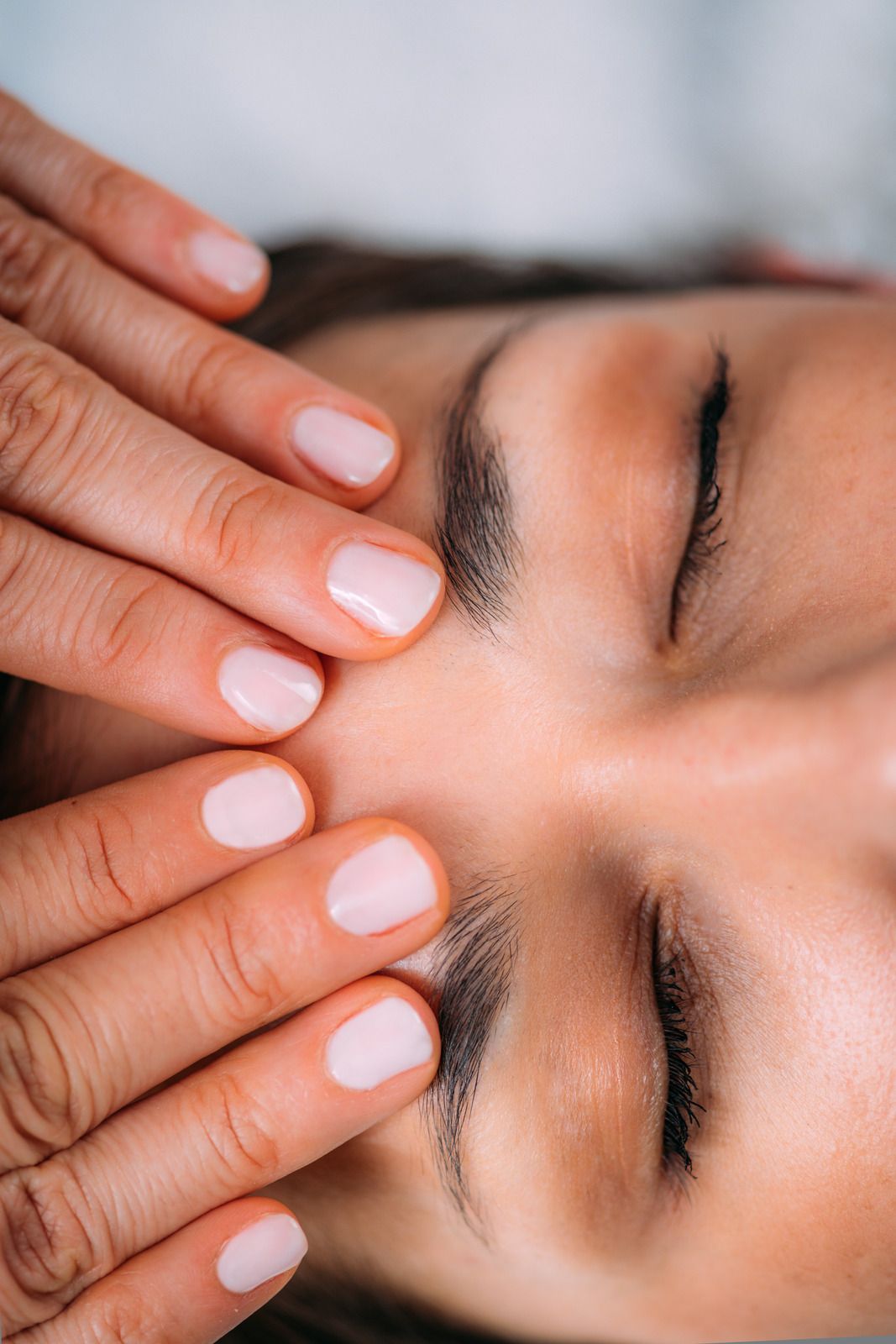
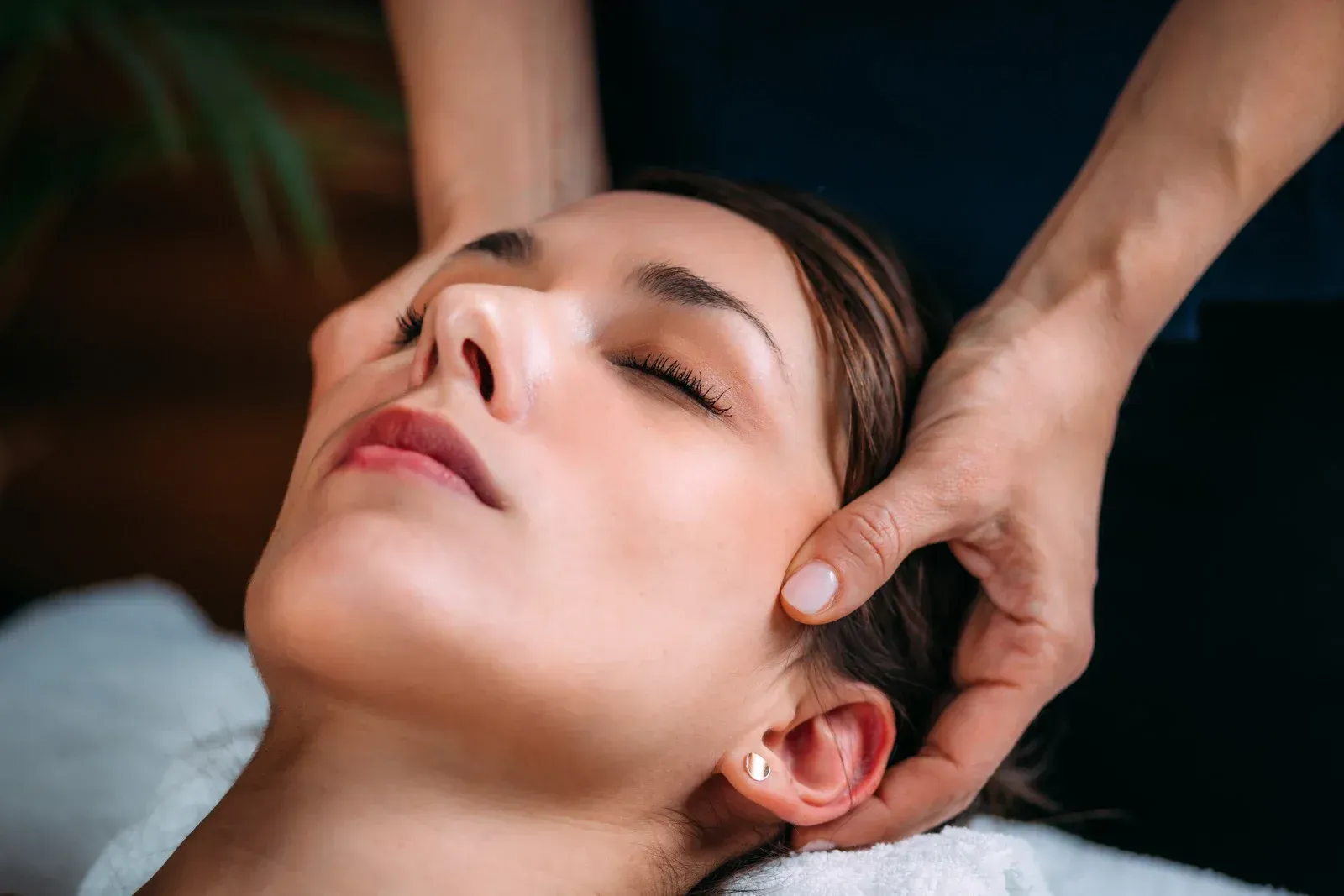
Maintaining physical balance and neurological health is essential for long-term wellness, particularly in communities where daily life places consistent demands on the body and nervous system. Craniosacral Therapy is a gentle, hands-on approach designed to support the body’s natural ability to self-regulate, heal, and restore balance. By working with the craniosacral system, which includes membranes and cerebrospinal fluid surrounding the brain and spinal cord, this therapy helps address restrictions that may contribute to pain, tension, stress, and emotional strain. When performed correctly, Craniosacral Therapy promotes deep relaxation while supporting improved nervous system function, circulation, and overall well-being.
Professional Craniosacral Therapy requires specialized training, refined palpation skills, and a thorough understanding of anatomy, physiology, and trauma-informed care. Practitioners assess subtle rhythms within the body, identify areas of restriction, and apply precise techniques to encourage release without force. This level of care is especially important for individuals experiencing chronic pain, neurological stress, emotional overload, or recovery from injury. Skilled professionals bring experience, ethical standards, and an individualized approach that prioritizes safety and effectiveness. Without proper expertise, subtle imbalances may go unrecognized, and therapeutic outcomes may be limited. Working with trained providers ensures treatment aligns with each client’s physical condition, history, and wellness goals.
In Epping, ND, Lois Allen Wellness offers craniosacral therapy delivered through a professional, client-centered approach grounded in several years of hands-on experience. Our practice focuses on individualized care addressing migraines, jaw tension, stress-related conditions, sleep disturbances, and musculoskeletal discomfort. We provide a calm, supportive environment where sessions are tailored to each client’s needs and respect both physical and emotional boundaries. Our work reflects a commitment to skill, integrity, and thoughtful care designed to support long-term health and nervous system balance within the Epping community.
Discover - Epping, ND
Situated in Williams County, Epping, North Dakota, reflects the character of a close-knit rural community shaped by agriculture, energy development, and deep regional roots. Established in the early twentieth century, Epping developed as a small settlement supporting farming and railroad activity. Over time, the area adapted to economic shifts while maintaining a strong sense of local identity and resilience. The town’s modest size contributes to a quieter pace of life, where community connections remain central to daily living. Epping’s location places it near larger hubs such as Williston while preserving a distinctly rural atmosphere. Open landscapes, farmland, and wide skies define the surrounding environment, offering residents a sense of space and calm not found in larger cities.
Seasonal events, local gatherings, and shared traditions strengthen community ties and foster familiarity among residents. Schools, local roads, and shared public spaces serve as important anchors, reinforcing Epping’s emphasis on connection and continuity. Cultural pride and practicality influence how residents approach health, work, and family life. Many individuals balance physically demanding jobs with family responsibilities, making personal well-being an essential yet sometimes overlooked priority. The community values trust, consistency, and straightforward communication. These characteristics shape expectations for local services, including wellness care, where professionalism and reliability are essential. Epping’s blend of tradition, work ethic, and neighborly support creates an environment where thoughtful, personalized care is both appreciated and necessary.
Climate & Environmental Factors in Epping, ND
North Dakota’s climate plays a significant role in physical health and nervous system regulation, particularly in rural communities like Epping. Long winters, cold temperatures, and extended periods of limited daylight can contribute to muscle tension, joint stiffness, fatigue, and heightened stress levels. Seasonal transitions often affect sleep patterns, energy levels, and emotional balance. These environmental factors place additional demands on the body’s ability to adapt and recover. Harsh winter conditions often lead to reduced physical activity, increased indoor time, and prolonged static postures. These changes can impact circulation, posture, and nervous system responsiveness. Cold exposure may intensify headaches, jaw tension, and neck discomfort while amplifying stress responses within the body.
During warmer months, agricultural and outdoor labor increases physical strain, particularly in the neck, shoulders, and back. These cyclical patterns create ongoing challenges for maintaining balance within the craniosacral system. Environmental quiet and expansive surroundings also influence emotional and mental well-being. While rural calm can be restorative, isolation and seasonal limitations may contribute to emotional stress or disrupted sleep cycles. Craniosacral Therapy supports the body’s adaptability to these environmental pressures by encouraging nervous system regulation and deep relaxation. In climates like Epping’s, consistent, professional therapeutic support can help individuals better manage seasonal stressors while maintaining physical and emotional equilibrium throughout the year.
Our Services in Epping, ND
Wellness Challenges Addressed by Craniosacral Therapy in Epping, ND
Residents of Epping often face wellness challenges shaped by physical labor, environmental stress, and limited access to specialized care. Musculoskeletal strain from farming, energy sector work, and repetitive movement commonly leads to chronic tension in the neck, shoulders, and upper back. These patterns frequently contribute to headaches, jaw discomfort, and nervous system overload. Without targeted intervention, symptoms may persist or intensify over time. Emotional stress also plays a significant role in overall health. Seasonal isolation, demanding work schedules, and limited downtime can disrupt sleep and heighten anxiety. The nervous system may remain in a heightened state of alert, preventing adequate rest and recovery.
Craniosacral Therapy addresses these concerns by working directly with the body’s stress response mechanisms, supporting calmness and improved regulation. Professional treatment ensures techniques are applied safely and appropriately, respecting each client’s history and sensitivity. Additionally, trauma, whether physical or emotional, can leave lasting imprints within the body. Subtle restrictions within the craniosacral system may contribute to ongoing discomfort or emotional dysregulation. Professional craniosacral therapy provides a gentle yet effective approach to addressing these challenges. In Epping, ND, where individuals value practical solutions and long-term wellbeing, professional care offers meaningful support for restoring balance, resilience, and comfort.
Why Epping, ND Residents Trust Lois Allen Wellness?
Trust in wellness care is built through consistency, expertise, and respect for individual needs. Residents of Epping seek providers who understand the realities of rural living, physical workloads, and seasonal challenges. Our approach emphasizes careful assessment, gentle techniques, and individualized sessions that honor each client’s comfort level and goals. We prioritize safety, clarity, and professionalism throughout every interaction. Experience plays a critical role in effective Craniosacral Therapy. By recognizing subtle changes within the body and responding with appropriate techniques, practitioners help clients achieve meaningful progress. We remain attentive to how climate, stress, and lifestyle factors affect local residents.
Our sessions are structured to support relaxation while addressing underlying restrictions contributing to discomfort or imbalance. Clients value the thoughtful pace and personalized attention provided during care. Lois Allen Wellness has earned the confidence of Epping residents by maintaining a calm, respectful environment and a client-first philosophy. We focus on clear communication, ethical practice, and consistent care. By addressing both physical and emotional components of wellness, we help individuals feel supported throughout their healing process. This commitment to reliability and integrity continues to strengthen trust within the local community.
Hire Us! Best and Top-Rated Craniosacral Therapy in Epping, ND
Choosing professional Craniosacral Therapy is an important step toward improving comfort, resilience, and overall well-being. Our company provides craniosacral therapy with a structured, client-focused approach designed to support nervous system regulation, pain relief, and emotional balance. We also specialize in services such as migraines and chronic headaches, TMJ & jaw pain, anxiety, stress and trauma recovery, neck, shoulder and upper back pain, stress and emotional wellbeing, and sleep disorders and insomnia. Each session is delivered with careful attention to individual needs, ensuring safe, effective, and personalized care.
With several years of experience, Lois Allen Wellness in Epping, ND delivers dependable craniosacral therapy rooted in professional training and consistent practice. We encourage individuals to schedule a session to discuss concerns, explore treatment options, or begin a structured wellness plan. Clients may contact us to request information or arrange appointments at their convenience, knowing care is provided with professionalism, reliability, and long-term well-being in mind.
happy customers in Epping, ND
Frequently Asked Questions
What is Craniosacral Therapy used for?
Craniosacral Therapy helps reduce tension, manage pain, support nervous system regulation, improve sleep, and address stress-related conditions by gently releasing restrictions affecting the brain, spinal cord, and surrounding tissues.
Is Craniosacral Therapy safe for all ages?
Craniosacral Therapy is a gentle, noninvasive approach appropriate for most age groups when performed by trained professionals who assess individual health history, comfort levels, and specific wellness concerns carefully.
How many sessions are typically needed?
The number of sessions varies based on individual conditions, goals, and response to treatment. Some clients notice improvement quickly, while others benefit from ongoing sessions supporting gradual, long-term wellness.
Does Craniosacral Therapy help with stress and anxiety?
By calming the nervous system and encouraging relaxation, Craniosacral Therapy can reduce stress responses, ease anxiety symptoms, and support emotional balance when incorporated into a professional wellness plan.
What should I expect during a session?
Sessions involve light touch while you remain fully clothed, typically lying comfortably. Practitioners assess craniosacral rhythms and apply gentle techniques tailored to your needs and comfort level.
Can Craniosacral Therapy help with headaches?
Craniosacral Therapy may help reduce headache frequency and intensity by addressing tension patterns, nervous system imbalance, and restrictions affecting circulation and neurological function within the head and neck.
Is this therapy suitable for chronic pain?
Many individuals with chronic pain find Craniosacral Therapy supportive because it addresses underlying nervous system patterns contributing to persistent discomfort rather than focusing solely on symptoms.
How do I schedule a session in Epping, ND?
Scheduling a session typically involves contacting the provider directly to discuss availability, wellness goals, and any relevant health history before confirming an appointment time.
What is Craniosacral Therapy used for?
Craniosacral Therapy helps reduce tension, manage pain, support nervous system regulation, improve sleep, and address stress-related conditions by gently releasing restrictions affecting the brain, spinal cord, and surrounding tissues.
Is Craniosacral Therapy safe for all ages?
Craniosacral Therapy is a gentle, noninvasive approach appropriate for most age groups when performed by trained professionals who assess individual health history, comfort levels, and specific wellness concerns carefully.
How many sessions are typically needed?
The number of sessions varies based on individual conditions, goals, and response to treatment. Some clients notice improvement quickly, while others benefit from ongoing sessions supporting gradual, long-term wellness.
Does Craniosacral Therapy help with stress and anxiety?
By calming the nervous system and encouraging relaxation, Craniosacral Therapy can reduce stress responses, ease anxiety symptoms, and support emotional balance when incorporated into a professional wellness plan.
What should I expect during a session?
Sessions involve light touch while you remain fully clothed, typically lying comfortably. Practitioners assess craniosacral rhythms and apply gentle techniques tailored to your needs and comfort level.
Can Craniosacral Therapy help with headaches?
Craniosacral Therapy may help reduce headache frequency and intensity by addressing tension patterns, nervous system imbalance, and restrictions affecting circulation and neurological function within the head and neck.
Is this therapy suitable for chronic pain?
Many individuals with chronic pain find Craniosacral Therapy supportive because it addresses underlying nervous system patterns contributing to persistent discomfort rather than focusing solely on symptoms.
How do I schedule a session in Epping, ND?
Scheduling a session typically involves contacting the provider directly to discuss availability, wellness goals, and any relevant health history before confirming an appointment time.